Empowering Tomorrow's Leaders: Addressing the Gender Gap in Political Participation
Joint Sessions of Workshops 2024
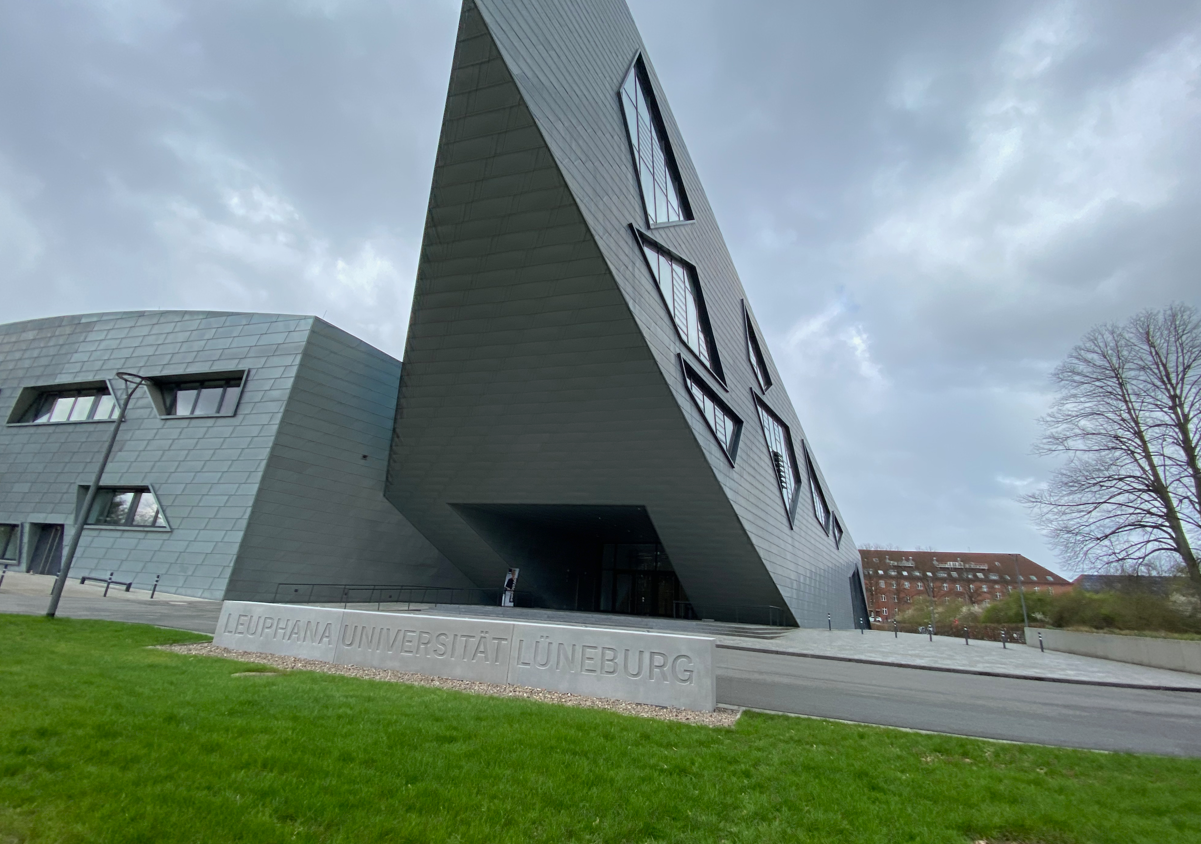
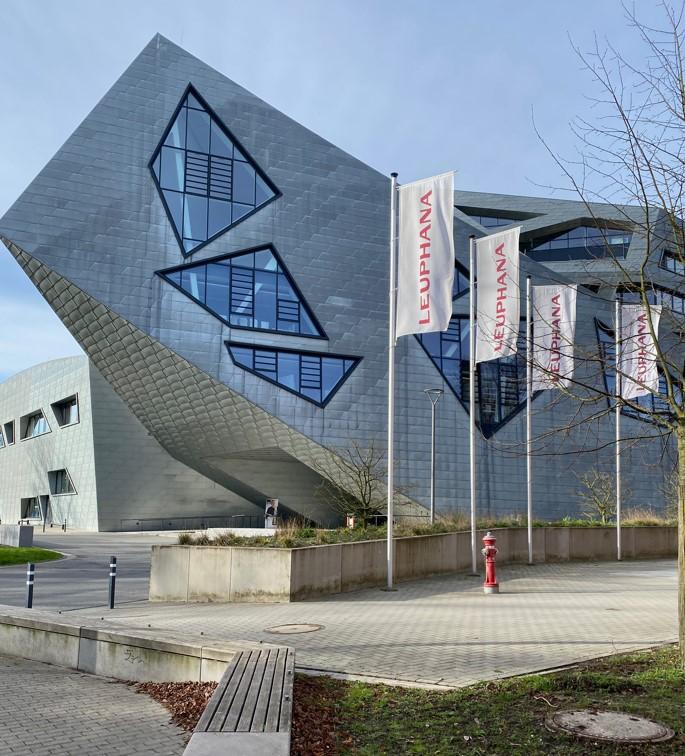
25 – 28 March Leuphana University, Lüneburg
A democracy thrives when all segments of society are actively engaged in its political processes. However, despite progress, the persistent gender gap in political leadership and self-efficacy poses a challenge to Western democracies. This gap is further compounded when considering the intersections of gender, social class, and ethnicity. Recent research underscores that these disparities begin to take root in schools, influenced by classroom dynamics. To ensure true equality within our democratic systems, it is, thus, imperative to address these differences during adolescence when they first emerge.
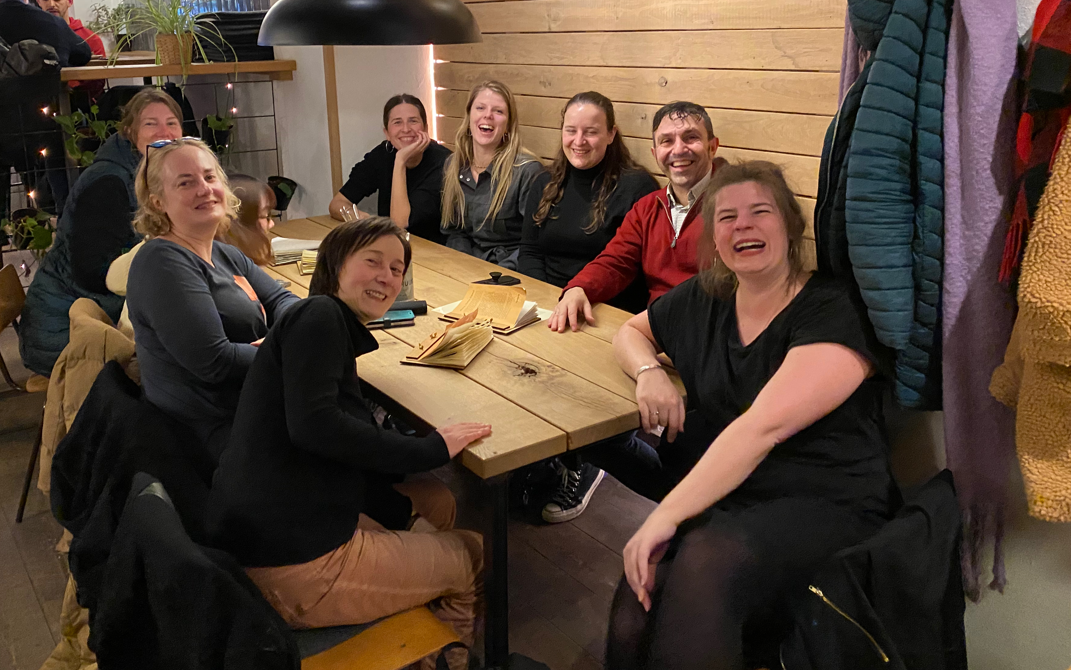
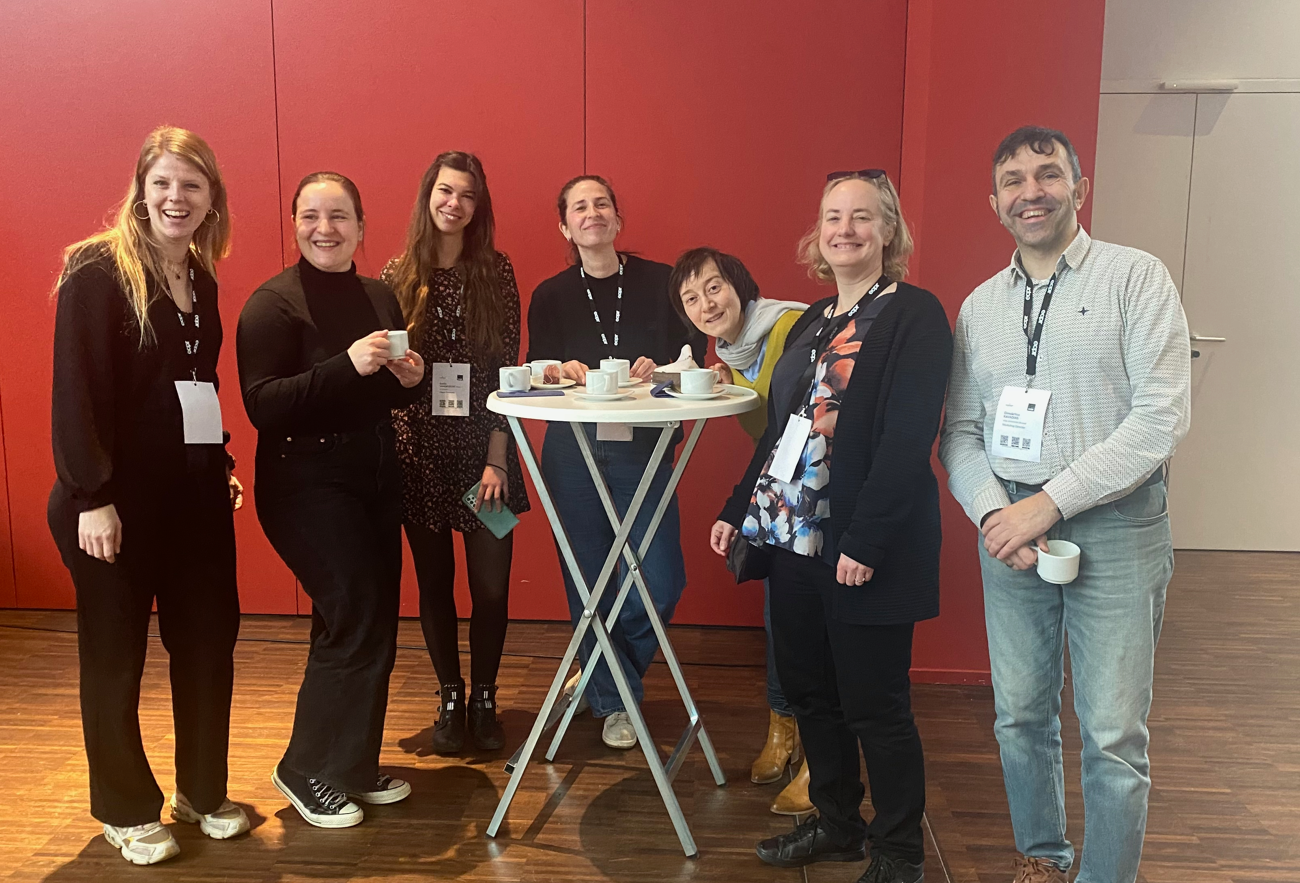
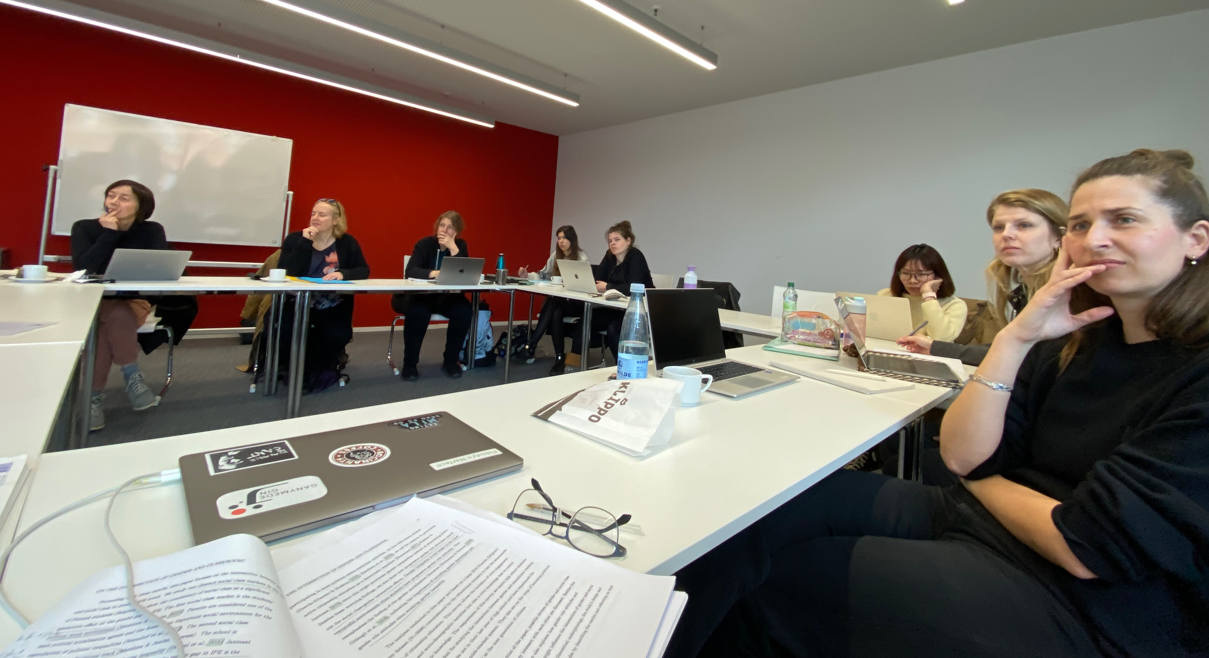
To tackle this critical issue, the European Consortium for Political Research (ECPR) hosted a Joint Sessions of Workshops in the captivating ambiance of Leuphana University, in Lüneburg, where researchers from the G-EPIC consortium convened for a workshop dedicated to examining the gender gap in political participation.
Led by Director Dimokritos Kavadias from Vrije Universiteit Brussel and CoDirector Simone Abendschön from Justus-Liebig-University Giessen, the workshop delved into gender-specific political socialization through an intersectional lens.
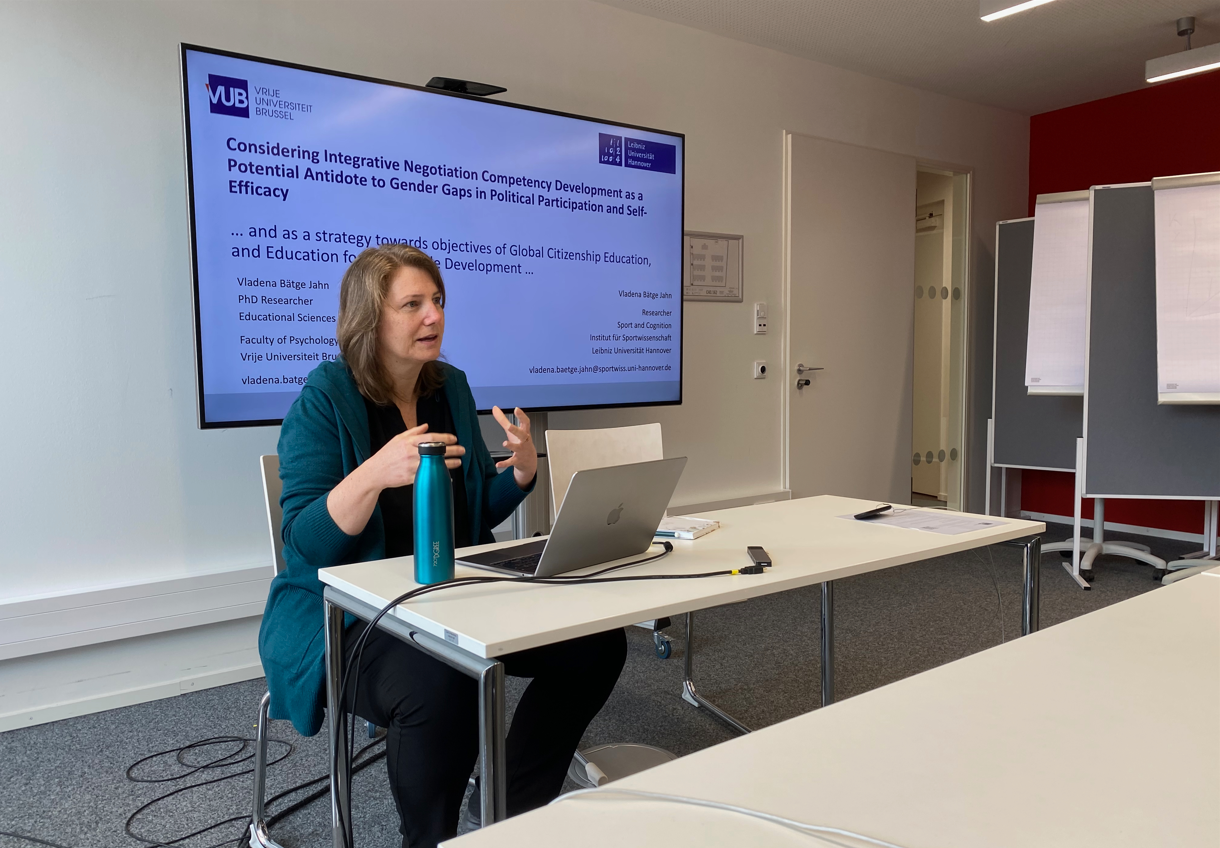
Nine insightful papers were presented, exploring various facets of the gender gap and its implications for political empowerment. From analyzing media representations to evaluating civic education programs, each paper offered valuable insights into empowering young individuals, particularly girls, and dismantling barriers to their political participation. Emphasizing both empirical findings and theoretical frameworks, the workshop provided a comprehensive understanding of the complexities surrounding gender-specific political socialization.
Key topics addressed during the workshop included the role of gender-role models in children's news programs, the significance of political self-efficacy measures, negotiation skills in classroom dynamics, and the intersectionality of gender and social class in political socialization. By fostering dialogue and collaboration among scholars, the workshop not only showcased the innovative research conducted by G-EPIC researchers but also propelled gender-specific political socialization to the forefront of the research agenda.
As we continue our collective efforts to build a more inclusive democracy, initiatives like these joint sessions of workshops serve as invaluable platforms for advancing knowledge, driving change, and ultimately, creating a political landscape where every voice is heard and valued.